Essential Appliance Repair Services: How Prompt Repairs Save You Money and Stress
Timely appliance repairs are often overlooked, yet their importance cannot be understated. Many homeowners tend to overlook the economic and personal impact that delayed maintenance can impose. Detecting the first warning signs of failure is critical. Disregarding these signals can cause more serious complications and elevated maintenance costs. Appreciating the advantages of timely repairs can transform how one manages appliance maintenance. What are the most important elements that make immediate repairs necessary for cost efficiency and overall well-being?
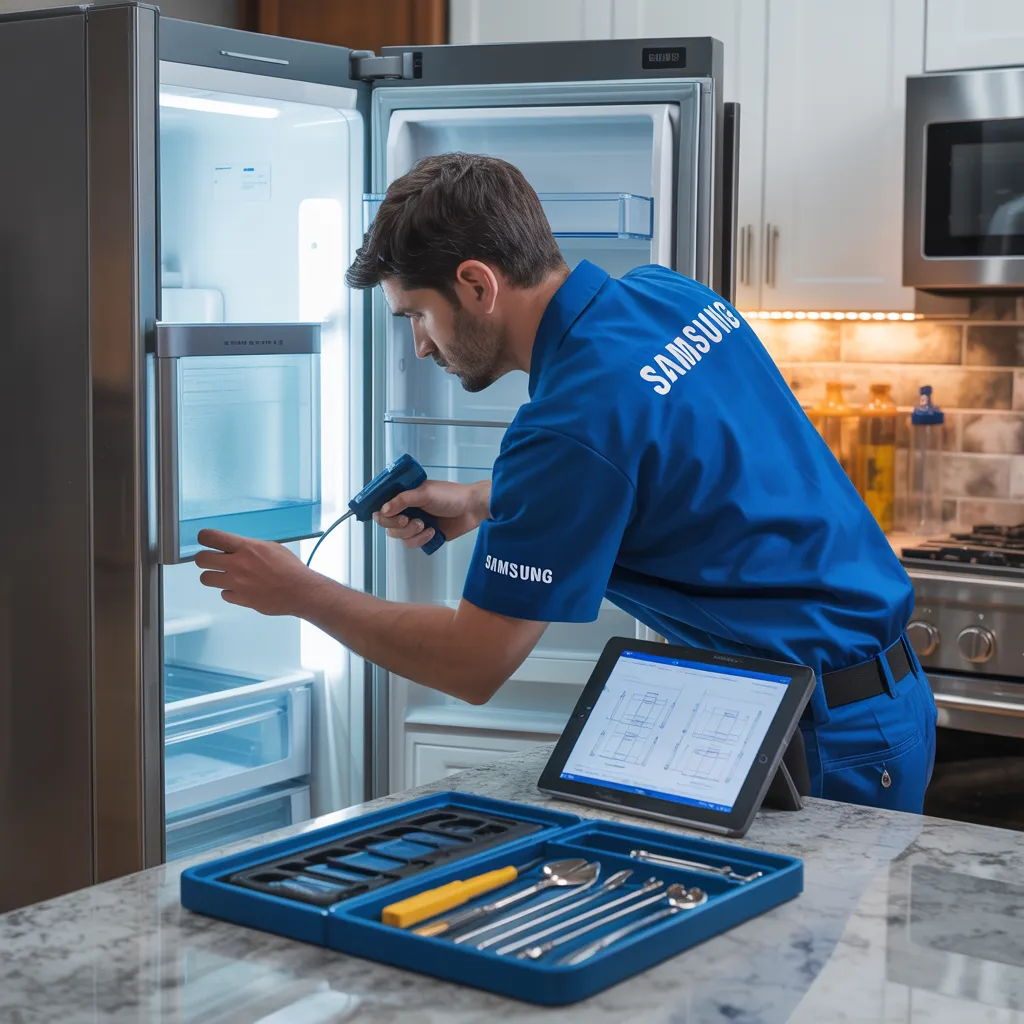
Why Postponing Appliance Repairs Could Cost You More in the Long Run
Ignoring appliance repairs frequently results in more serious problems over time. When minor faults go unaddressed, they can grow into significant breakdowns, causing costly fixes or even the necessity for total replacements. To illustrate, a small leak in a washing machine can cause water damage, mold formation, and pricey repairs to both the appliance and adjacent areas. Putting off repairs can also diminish energy efficiency, causing appliances to draw more power and drive up utility expenses. Additionally, unresolved issues may compromise the appliance's lifespan, making it necessary to invest in a new unit sooner than anticipated. Homeowners may incorrectly assume that delaying repairs conserves money, but the lasting effects frequently demonstrate the opposite. Preventive maintenance and early repairs not only lengthen an appliance's service life but also guard against unanticipated costs, ultimately offering peace of mind and financial well-being.
Warning Signs Your Appliance Needs Prompt Attention
How do homeowners know when their appliances need immediate attention? Understanding the indicators of a breakdown is critical to avoiding more serious issues. Abnormal noises, including grinding or banging, commonly point to internal concerns demanding swift attention. Homeowners must also watch for any leaks or water accumulating near the appliance, since this can result in serious damage or mold development.
An additional warning sign is if an appliance is not performing its primary function effectively, such as a fridge struggling to maintain cold temperatures or an oven not reaching the desired temperature. Additionally, if there are burning smells or smoke, swift action must be taken to ensure safety. Lastly, frequent tripping of circuit breakers or blown fuses when using an appliance may indicate underlying electrical issues. Addressing these issues promptly can prevent more extensive repairs and enhance safety in the home.
How Prompt Repairs Help You Save Money and Reduce Stress
Punctual appliance repairs can significantly reduce overall costs by tackling problems before they escalate. Early detection not only eliminates costly malfunctions but also prolongs the life of the appliance. By avoiding emergency repairs, homeowners can enjoy reduced stress and greater peace of mind.
Early Identification Helps Avoid Costly Repairs
When homeowners tackle appliance problems quickly, they can significantly minimize the risk of extensive damage and unexpected expenses. Catching minor problems at an early stage, such as strange sounds or erratic operation, often leads to easy repairs that ward off more serious failures. For instance, a tiny leak in a washing appliance, if ignored, can turn into substantial water damage, requiring expensive repairs. Similarly, a failing refrigerator may lead to food spoilage, resulting in discarded provisions. By choosing prompt repairs, homeowners can steer clear of the anxiety tied to significant failures and the financial burden of emergency services. Regular maintenance and vigilance allow for efficient resolutions, ultimately preserving both the appliance's operation and the homeowner's financial well-being.
Maximizing Appliance Lifespan
Preserving home appliances in optimal condition is crucial for residents looking to maximize their investment. Timely repairs play a critical role in extending the lifespan of household appliances. When small problems are handled quickly, the likelihood of significant and expensive issues reduces substantially. Routine maintenance not only ensures optimal performance but also prevents wear and tear that can lead to breakdowns. Home appliances that are maintained regularly tend to operate more efficiently and require less electricity, which results in reduced energy costs. Moreover, a well-maintained appliance improves the overall value of your home, making it a smart investment. By focusing on timely repairs, residents can take advantage of dependable home appliances while preventing the frustration and financial strain caused by unexpected failures.
Lowering Emergency Repair Costs
Resolving appliance concerns promptly can considerably minimize emergency repair costs and reduce stress for homeowners. When small problems are left unattended, they often grow into significant failures requiring costly repairs or replacements. Consistent maintenance and timely fixes not only improve appliance performance but also guard against unexpected breakdowns. For instance, a minor leak in a refrigerator may contribute to extensive water damage if left untreated. By focusing on repairs, homeowners can steer clear of the panic associated with emergency situations, permitting more informed decision-making concerning service options. Furthermore, timely interventions often yield lower service fees, as emergency calls typically carry higher charges. All things considered, resolving appliance issues early promotes a more manageable, cost-effective household environment.
Common Appliances That Require Routine Repairs
Many households rely on a variety of appliances that, even with their practicality, often require regular repairs to function effectively. Refrigerators rank among the most essential appliances, as their cooling systems can fail, resulting in food spoilage. Washing machines and dryers also require careful attention; common issues include drainage problems and drum malfunctions that may interfere with laundry schedules. Dishwashers, while time-saving, are prone to leaks and clogged spray arms, necessitating prompt repairs to maintain efficiency.
Ovens and stoves, fundamental for meal preparation, may encounter ignition issues or uneven heating, disrupting meal preparation. Additionally, climate control systems are vital for keeping indoor spaces comfortable but regularly demand consistent servicing to steer clear of costly malfunctions. Overlooking these essential appliances can cause reduced efficiency and increased energy costs. Scheduled inspections and swift repairs for these indispensable devices not only prolong their operational life but also improve overall home performance.
Choosing the Best Appliance Repair Service
When selecting an appliance repair service, what aspects should be assessed to secure reliability and quality? To begin, it is crucial to check the service provider's credentials, including professional licenses and credentials, which demonstrate adherence to industry standards and specialized training. Testimonials and customer reviews can supply useful perspectives into the service's reputation and reliability, allowing one to assess previous performance.
Additionally, question them regarding the guarantee on repairs and parts, as this showcases the company's confidence in their craftsmanship. A straightforward pricing structure is vital; ensure there are no hidden fees that could increase the total price. Besides this, evaluate the service team's response time and availability, especially during urgent situations. As a final point, gauge their familiarity with certain appliance brands and types, as specialized knowledge can significantly improve the quality of service. By taking these factors into account, you can reach an educated selection, guaranteeing swift and high-quality restorations.
Is It Better to DIY or Hire a Professional for Repairs?
When confronted with appliance malfunctions, homeowners must carefully weigh the option of self-directed repairs against professional repair services. Key considerations include the person's technical ability, the financial risks of repair errors, and the hours spent versus the proficiency a trained technician provides. Arriving at an educated conclusion can significantly influence both the effectiveness of the fix and overall satisfaction.
Assessing Your Skill Level
What factors help one decide between handling appliance repairs personally or hiring a professional? Assessing one's skill level is essential when making this decision. One should begin by evaluating their technical expertise and prior experience with comparable repairs. Confidence in using tools and interpreting instruction manuals can signal preparedness for a self-directed repair effort. Nevertheless, if the appliance presents significant complexity or calls for specialized knowledge, professional help is generally the wiser choice. Additionally, considering the time available for repairs is important; if one is pressed for time or lacks confidence, a professional can guarantee timely and safe resolution. At the end of the day, carefully comparing one's own capabilities with the complexity of the repair is fundamental to choosing the right course of action for appliance maintenance.
The Cost of Getting It Wrong
The likely cost of missteps in appliance repairs can lead to significant financial and emotional consequences. Individuals who attempt DIY repairs without adequate knowledge might unintentionally aggravate the problem, causing more widespread deterioration. This may require expensive professional services, far exceeding the initial repair cost. Additionally, improper repairs can void warranties, imposing extra financial pressure. Beyond the monetary implications, the pressure of handling faulty appliances can affect daily life and overall well-being. Balancing the risks with potential cost reductions is vital; opting for professional assistance often proves more cost-effective in the long run. In the end, grasping the intricacies of appliance repairs can save both money and emotional turmoil, making it prudent to consider professional assistance when necessary.
Time Against Expertise
Deciding between DIY repairs and hiring a professional frequently depends on the balance of time and expertise. For the majority of homeowners, the prospect of saving money is often appealing; however, the time invested in learning and executing repairs can quickly accumulate. Insufficient experience can lead to inadequate repairs, causing more issues and increased expenditure. On the other hand, skilled technicians offer targeted expertise and resources, ensuring repairs are completed efficiently and correctly. Such proficiency can reduce disruption and anxiety, rendering it a valuable investment. In the end, people must balance their self-assurance in managing repairs with the inherent risks of DIY approaches, evaluating whether investing time in learning is preferable to comprehensive article trusting qualified experts for the best results.
Creating a Maintenance Schedule for Your Appliances
Establishing a service plan for household appliances can significantly prolong their service life and improve performance. Routine maintenance, such as cleaning, inspection, and parts replacement, helps prevent breakdowns and costly repairs. Property owners should identify specific tasks for every household device, such as performing monthly coffee maker descaling or biannual refrigerator seal inspections.
By noting these responsibilities on a planner, people can make certain they handle each appliance's needs in a timely manner. Moreover, organizing maintenance tasks around certain seasonal periods can be advantageous; for illustration, inspecting and cleaning the dryer vents before the cold season can help prevent fire hazards.
Incorporating reminders for expert maintenance, including routine HVAC evaluations, greatly enhances long-term appliance performance. A carefully planned upkeep routine not only reduces unexpected failures but also fosters a forward-thinking strategy to home management, helping homeowners save money and alleviating stress. Committing to this routine tends to produce more efficient functioning and a more efficient household.
Answers to Common Questions
How Do I Locate a Trustworthy Appliance Repair Technician?
To find a reliable appliance repair technician, it is advisable to ask friends or family for referrals, check online feedback, verify qualifications, and ask for estimates. Comparing multiple technicians can also help guarantee quality and trustworthiness.
What Warranties Typically Cover Appliance Repairs?
Warranties for appliance repairs typically consist of manufacturer warranties, extended warranties, and service contracts. These typically cover labor and parts for designated problems, but customers are advised to examine the terms to identify coverage limits and exclusions.
Are There Typical Signs of Appliance Wear and Tear?
Frequent symptoms of appliance wear and tear include strange sounds, erratic functioning, fluid leaks, rust, and increased power consumption. Identifying these warning signs promptly can assist in preventing continued wear and increase the appliance's longevity.
How Often Should Appliances Be Professionally Serviced?
Home appliances should ideally receive professional servicing at least once or twice a year, according to how frequently they are used and what manufacturers suggest. Routine servicing helps ensure optimal performance, extends the life of your appliances, and may help avoid expensive repairs and sudden failures.
Which Tools Are Necessary for DIY Appliance Repairs?
Key equipment for do-it-yourself appliance repairs include a electrical meter, screwdriver kit, gripping pliers, adjustable wrench, and a multipurpose knife. These essentials assist with troubleshooting, disassembly, and reassembly, providing reliable fixes while reducing the risk of further damage.